Services located 01
Assess & quote
Site visit, plan review and Dial Before You Dig. One clear quote covering dig, cartage and cleanup.
Terrace basements and rear-yard digs in Surry Hills, Darlinghurst, Redfern and Erskineville, apartment and townhouse basements at Zetland, Waterloo and Alexandria, and industrial pads and hardstands at Mascot, Botany and Rosebery. Sandstone under the city, sand and old fill to the south, machines in through the house or by crane.
Get a free quoteNo obligation, free site quote.
Got it, thanks. We'll be in touch to arrange your site assessment and clear quote.
Eight services across the city and South Sydney; each has its own page with the detail.
The region is the City of Sydney and the industrial south that’s turning residential. The city end is The Rocks, Millers Point, Pyrmont, Ultimo, Haymarket and Darlinghurst, then Surry Hills, Redfern, Chippendale, Darlington and Erskineville, the terrace suburbs that ring the CBD. South of Cleveland Street it opens out into Waterloo, Zetland and Green Square, the biggest urban renewal precinct in the country, then Alexandria, Rosebery, Beaconsfield and Mascot, warehouse country going to apartments, and Botany at the bay. City of Sydney council covers almost all of it, with Bayside taking Mascot and Botany. The airport sits at the bottom, and Botany Road, the Princes Highway, Southern Cross Drive and Cleveland Street carry everything.
North of Cleveland Street it’s Victorian terraces, tightly packed, mostly in heritage conservation areas, on blocks four to six metres wide with a rear lane if you’re lucky. The jobs are under-house basements, rear extensions with the front kept, courtyard plunge pools, and the occasional whole-terrace rebuild behind a retained facade, every one of them reached through the front room or over the roof. South of it, the warehouses and workshops of Alexandria, Zetland, Waterloo, Rosebery and Mascot are being cleared for apartment blocks and townhouses, and the jobs are bulk cuts and multi-level basements on sites that were factories, tanneries and depots for a hundred years. Mascot and Botany also keep their industrial base, with slab pads, hardstands and trenching for the airport and port logistics.
The city and the terrace ring sit on Hawkesbury sandstone: the harbour cliffs, the cuttings, the rock under every terrace floor in Surry Hills, Darlinghurst, Glebe and Pyrmont. A basement under a terrace is rock, sawn against the party wall. South of Cleveland Street the sandstone drops away and the ground becomes the Botany sand beds, deep marine sand with the water table a metre or two down, overlain across Alexandria, Zetland, Rosebery, Mascot and Botany by a century of industrial fill: ash, rubble, tannery and chemical waste in places, and acid sulfate soil in the low ground toward the bay. The old Shea’s Creek and the Alexandra Canal line run through it and the flats beside them flood. Almost every South Sydney basement is a shored, dewatered dig through fill and sand to a remediation plan, with the spoil classified before it goes anywhere.
City of Sydney and Bayside are the councils, and the city’s rules are the tightest in the state. Heritage conservation areas cover most of the terrace suburbs, with archaeological zones in The Rocks, Millers Point, Pyrmont and the older parts of Surry Hills where a basement dig can come with a watching brief. Contamination and acid sulfate maps cover the whole industrial south, and remediation is a condition of most approvals there. Flood planning levels apply along the Alexandra Canal and the low ground at Mascot and Botany. Dewatering, vibration, working hours and traffic management are all controlled because everything is close to everything. Cut and fill and under-house work goes through the DA or CDC with the engineer’s underpinning, shoring and remediation designs, and we dig to the approved plans. Access is by lane, crane or through the house, and trucks are scheduled around the traffic.
Every job follows the same sequence, whether it's a single trench or a full site cut.
A trench can be a day, a basement can be weeks. Dates come with the quote, not after.
The terrace ring around the CBD and the renewal precincts to the south.
From the terraces of Surry Hills, Redfern and Erskineville to the apartment and warehouse sites at Zetland, Alexandria, Mascot and Botany.
See all Sydney areas →It depends on the volume of material, the ground (the inner city sits on sandstone and the south sits on botany sand under a century of industrial fill), access for the machine and how far spoil has to be carted. Every job gets a written quote after a site look, with the dig, cartage and cleanup spelled out, so you know what’s included before anything starts.
Usually, if the excavation is part of a build. Cut and fill beyond set limits, work near boundaries and anything on a lot with a flood, bushfire or heritage overlay needs approval as part of the DA or CDC. We work to the approved plans; check with your certifier before the dig is booked.
A trench, pool dig or single pad is a day or two; a knock-down site cut or a basement runs longer and depends on volume, ground and weather. Dates come with the quote, not after.
Yes. The party walls are supported to the engineer’s underpinning design, the ground is dug in stages through the front or the lane, rock is sawn at the walls so the neighbours’ footings stay put, and spoil goes out by conveyor. Heritage conditions apply on most of these streets.
On the old industrial land, assume so until tested. A century of factories, tanneries and depots left fill that’s classified and remediated to a plan before a basement goes in, and the approval usually requires it. We price the handling honestly from the site investigation.
Yes. the inner city sits on sandstone and the south sits on Botany sand under a century of industrial fill. The inner city sits on sandstone, usually right under the terrace floors. It’s sawn against the party walls and broken out in stages, and it’s in the quote from the site look.
Yes. South Sydney basements are shored digs through fill and sand with the water table close, dewatered to the council’s controls, spoil classified and carted to the right facility, and trucks scheduled around the traffic so the street stays open.
Through the front room on boards with the floor protected, or over the roof by crane. Spoil comes out the same way in bins. Slower than anywhere with a side gate and priced for it, but it’s how inner-city courtyards get dug.
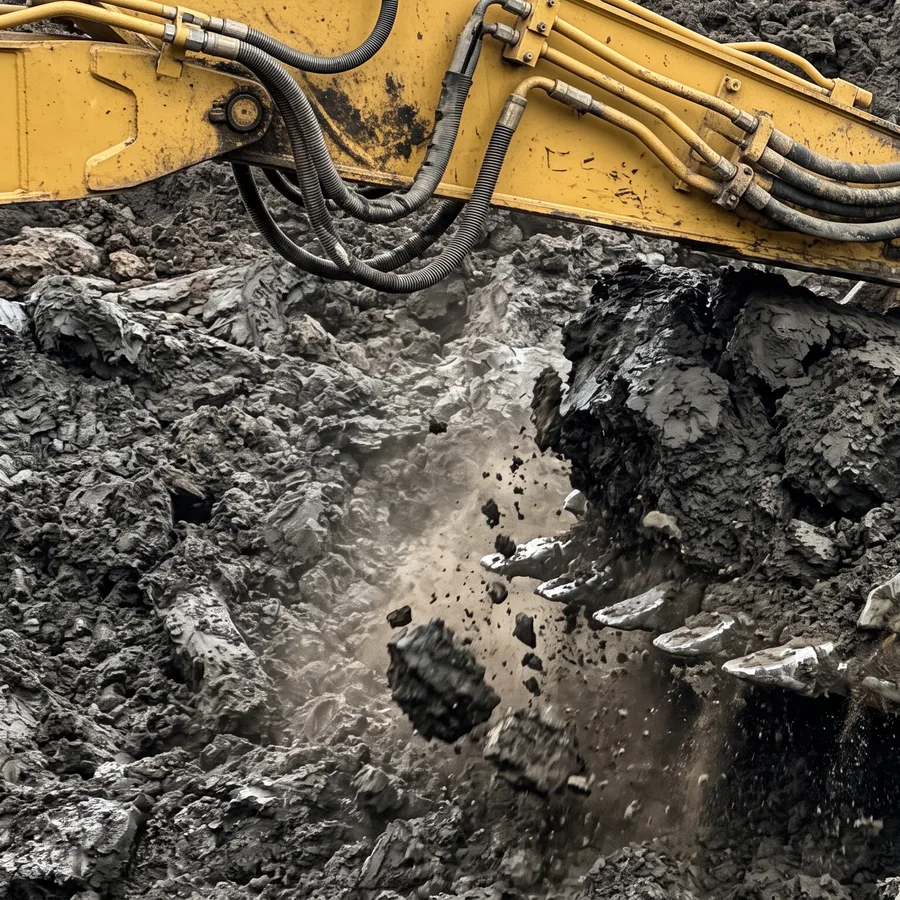
Tell us about the job. We'll look at the site before quoting, so you know what's included before anything starts.
Request received. We'll be in touch to arrange your site assessment and clear quote.